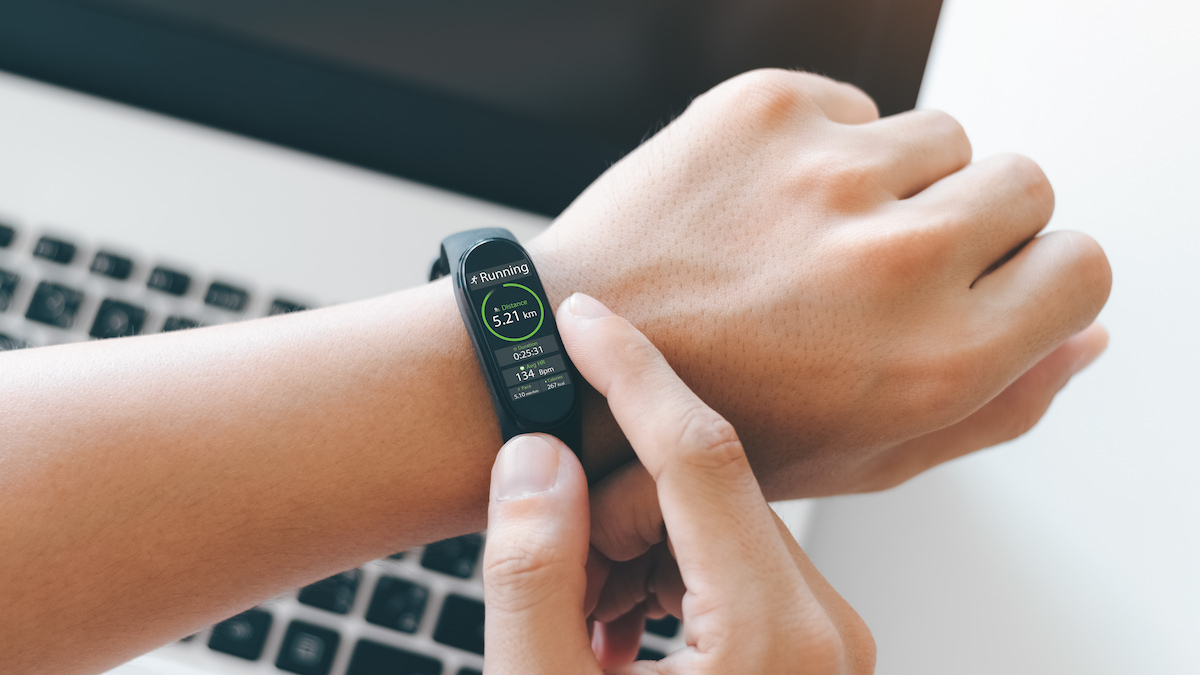
Fitness trackers have become one of the most popular wearable devices, helping people monitor their activity, sleep, heart rate, and overall wellness. With so many models on the market, from basic step counters to advanced smartwatches with health sensors, choosing the right fitness tracker can feel overwhelming. The best option depends on your goals, daily routine, and budget. This step-by-step guide will walk you through the key factors to consider when selecting the right fitness tracker for your lifestyle.
Step 1: Define Your Health and Fitness Goals
Before buying a fitness tracker, think about what you want to achieve. If your goal is simply to increase daily movement, a basic tracker that counts steps and calories may be enough. If you’re a runner or cyclist, you may need advanced features like GPS tracking and VO2 max measurements. For overall health monitoring, look for devices that track heart rate, stress, sleep quality, and even blood oxygen levels. Knowing your goals helps you avoid overspending on unnecessary features.
Step 2: Decide Between a Band or a Smartwatch
Fitness trackers generally fall into two categories: slim wristbands and full-featured smartwatches. Bands are lightweight, simple, and often more affordable, making them great for casual users. Smartwatches, on the other hand, combine fitness tracking with features like notifications, apps, and music control. If you want a balance between style and function, a smartwatch-style tracker might suit you better, but if you prefer minimalism, a fitness band is a practical choice.
Step 3: Evaluate Tracking Features
Not all trackers are created equal when it comes to sensors and capabilities. Common features include step counting, distance measurement, calorie tracking, and sleep monitoring. More advanced trackers offer continuous heart rate monitoring, GPS, stress tracking, menstrual cycle tracking, and even ECG functions. Think about which features match your lifestyle. A casual walker may not need built-in GPS, while a marathon runner definitely will.
Step 4: Consider Battery Life
Battery life can vary from a few days to several weeks, depending on the model and its features. Slim fitness bands tend to last longer, while feature-heavy smartwatches require more frequent charging. If you dislike charging devices often, look for trackers with at least a week of battery life. For travelers or people with busy routines, long battery performance can make a huge difference.
Step 5: Check Comfort and Design
Since you’ll likely wear your fitness tracker all day, comfort and style matter. Look for lightweight designs with adjustable straps and materials that won’t irritate your skin. Water resistance is also important if you plan to swim, shower, or exercise in the rain while wearing your device. Some trackers are sleek and discreet, while others look more like traditional watches, so choose one that fits your personal style.
Step 6: App and Ecosystem Compatibility
Most fitness trackers sync with companion apps that provide insights, graphs, and progress reports. Consider whether the app is user-friendly and compatible with your phone’s operating system. Some trackers work only with specific ecosystems, while others support both iOS and Android. Also, think about whether you want integration with third-party apps like Strava, MyFitnessPal, or Google Fit for a more complete fitness experience.
Step 7: Decide on Budget and Value
Fitness trackers range from very affordable entry-level bands to premium models that cost as much as a smartphone. Entry-level trackers are perfect for beginners who want to monitor steps and sleep. Mid-range models often add heart rate monitoring, better displays, and longer battery life. Premium trackers offer advanced features such as GPS, voice assistants, and advanced health sensors. Set a realistic budget based on how much you’ll use the device and which features are most important to you.
Step 8: Look at Durability and Warranty
Since a fitness tracker is something you’ll wear daily, durability is important. Scratch-resistant screens, sturdy straps, and water resistance make a device last longer. Also, check for manufacturer warranties and customer support. A solid warranty gives peace of mind, especially for higher-priced models.
Final Thoughts
Choosing the right fitness tracker comes down to matching your lifestyle with the right features. If you’re just starting, an affordable band with step and sleep tracking is a good entry point. Runners, cyclists, and athletes should look for models with GPS and advanced performance metrics. For users who want both fitness and smart features, a smartwatch-style tracker offers the best of both worlds. By focusing on goals, design, battery life, app support, and budget, you can find a tracker that not only helps you stay on top of your health but also fits seamlessly into your daily routine.
Featured Image Credit: Fitness Tracker Stock photos by Vecteezy