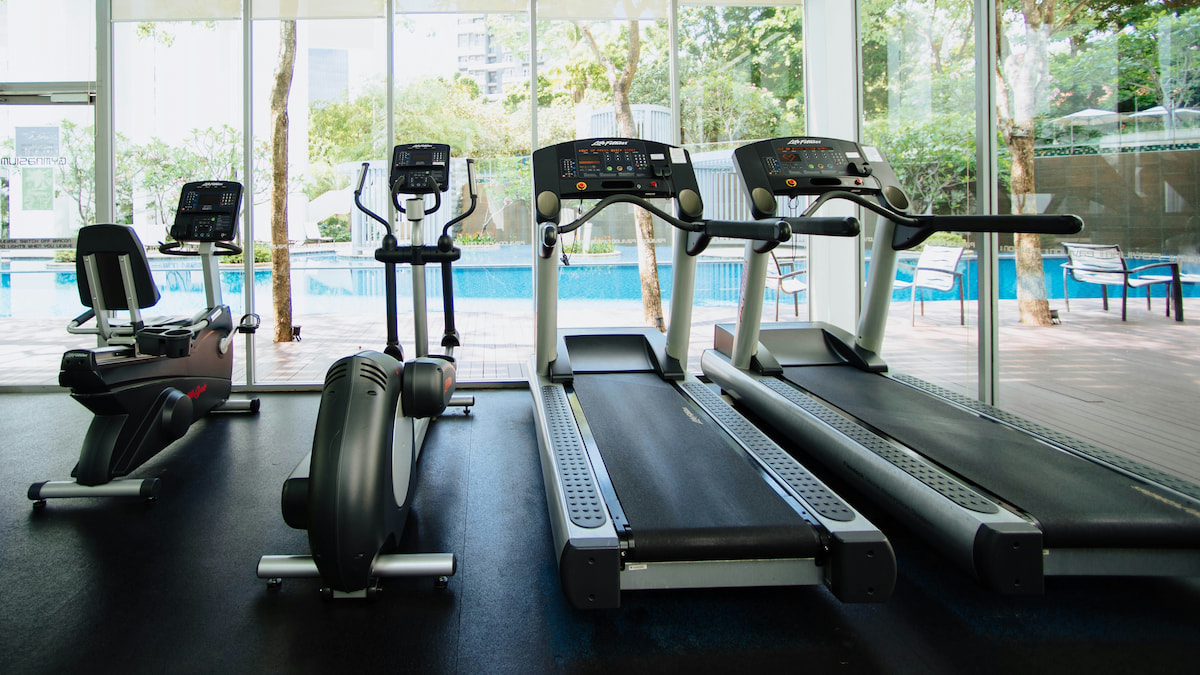
A treadmill is one of the most valuable investments you can make for a home gym. It provides a convenient way to walk, jog, or run without worrying about the weather, time of day, or traffic. But with so many models on the market, finding the right treadmill can feel overwhelming. From motor power and incline options to size and budget, there are several factors that determine which treadmill is the best fit for your home gym. This step-by-step guide will help you make an informed decision.
Step 1: Define Your Fitness Goals
Before you buy, think about what you want from your treadmill. If you’re mainly walking or doing light jogging, an entry-level model will be enough. For regular runners or high-intensity workouts, you’ll need a treadmill with stronger performance, advanced cushioning, and more durability. Knowing your goals will prevent you from overpaying for features you won’t use or buying a machine that can’t keep up with your needs.
Step 2: Consider the Motor Power
The motor is the heart of any treadmill. Look for continuous horsepower (CHP) rather than peak horsepower, as CHP reflects consistent performance. For walking, a 2.0 CHP motor is usually sufficient. For jogging and light running, aim for at least 2.5 CHP. Serious runners should go for 3.0 CHP or higher. A strong motor not only ensures smoother performance but also extends the life of the treadmill.
Step 3: Evaluate the Running Surface
The running deck size plays a big role in comfort. A belt that’s too short or narrow can make running awkward and even unsafe. For walking, a 16″ x 50″ belt works fine, but for running, aim for at least 20″ x 60″. Taller users will benefit from longer decks to match their stride length. A cushioned deck also helps reduce impact on joints, making workouts more comfortable.
Step 4: Look at Incline and Speed Options
Incline features simulate uphill running, which adds intensity and helps build strength. Most mid-range treadmills offer inclines up to 10–15%. Some premium models even include decline settings for downhill training. In terms of speed, standard treadmills go up to 10 mph, which is enough for most users, but advanced runners may want machines that reach 12 mph or more.
Step 5: Check Foldability and Space Requirements
Not everyone has room for a large treadmill. If space is limited, consider a foldable treadmill that can be stored away when not in use. Measure your available floor space before purchasing, and don’t forget to leave extra clearance behind the treadmill for safety. Compact models are ideal for small apartments, while larger, sturdier options are better suited for dedicated home gyms.
Step 6: Explore Programs and Smart Features
Modern treadmills often come with built-in workout programs, heart-rate monitors, and compatibility with fitness apps. Some even offer interactive training sessions with virtual coaches or scenic routes. While these features aren’t essential, they can make workouts more engaging and help keep you motivated. If you prefer a straightforward machine, you can skip the extras and save money.
Step 7: Think About Noise and Stability
Since treadmills are used indoors, noise is a key factor. A noisy machine can disturb others in your household, especially during early mornings or late nights. Check for treadmills with quiet motors and solid frames. Stability is equally important—wobbly machines can ruin your workout experience and lead to safety issues.
Step 8: Set a Realistic Budget
Treadmills vary widely in price, from budget-friendly options under $500 to premium models that cost several thousand. While entry-level machines can work well for casual use, they may lack durability for long-term heavy running. Mid-range treadmills, usually between $700 and $1,500, strike a good balance between quality and features. If you plan to use the treadmill daily, investing in a higher-end model may save you money in repairs or replacements down the line.
Step 9: Check Warranty and Support
A treadmill is a long-term investment, so look for warranties that cover the motor, frame, and parts. A strong warranty indicates the manufacturer’s confidence in the product’s durability. Customer service and support also matter—having quick access to troubleshooting and replacement parts can save you a lot of hassle in the future.
Final Thoughts
Choosing the right treadmill for your home gym comes down to matching your fitness goals with the right features and budget. Walkers may be satisfied with a compact, foldable model, while runners should prioritize motor strength, belt size, and cushioning. Smart features like workout programs and app integration are nice bonuses, but not essential for everyone. By carefully evaluating motor power, deck size, incline, portability, and price, you’ll be able to find a treadmill that keeps you motivated, fits your space, and lasts for years.