
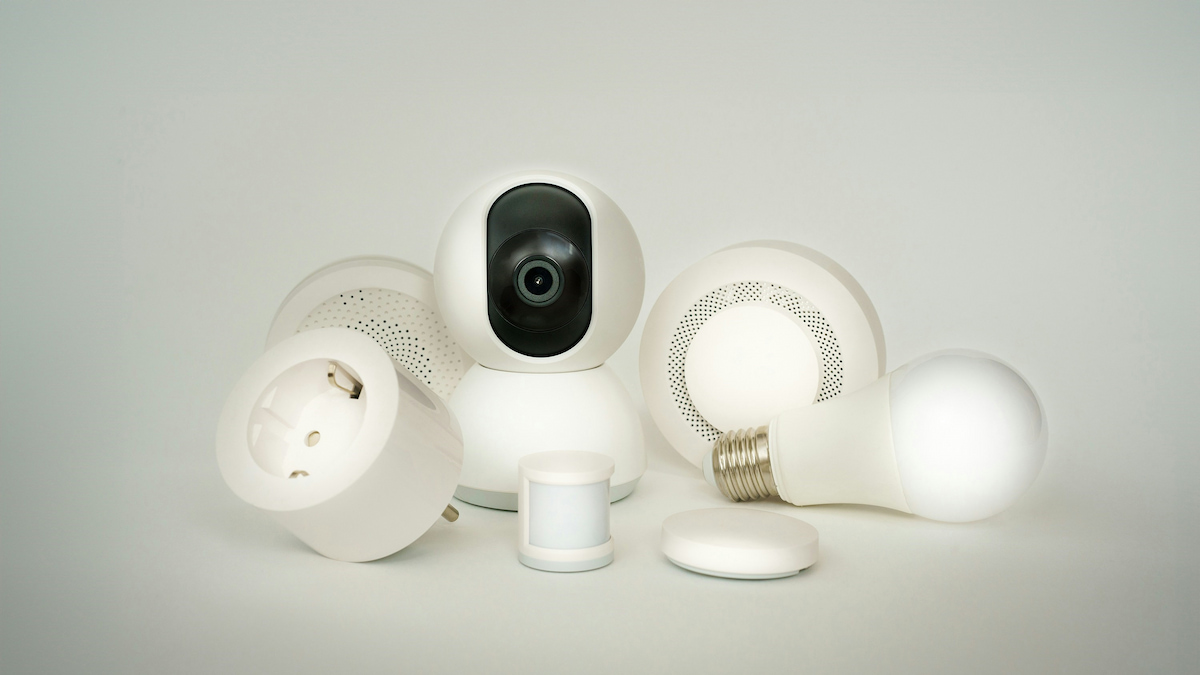
Smart homes are no longer just futuristic concepts—they are a growing reality, offering convenience, energy efficiency, and enhanced security. With advancements in Internet of Things (IoT) technology, homeowners around the world are integrating devices that talk to each other seamlessly, making daily life easier and more efficient. If you are planning to build a fully connected home, the key lies in selecting the right combination of smart devices and ensuring they work harmoniously. Let’s explore how you can achieve this step by step.
Start with a Reliable Smart Hub
A smart hub acts as the brain of your smart home ecosystem. It allows different devices and brands to connect and communicate with each other through protocols like Wi-Fi, Zigbee, or Z-Wave. Choosing a versatile hub ensures that your lights, thermostats, locks, and cameras all work together. Look for hubs that support multiple platforms so you’re not locked into one ecosystem.
Smart Lighting for Convenience and Energy Savings
Lighting is usually the first step for most people entering the smart home world. Smart bulbs, switches, and dimmers let you control brightness, colors, and schedules from your phone or voice assistant. Beyond convenience, they help cut down energy usage by allowing you to automate lights based on occupancy or daylight. For larger homes, using a combination of smart switches and bulbs ensures better cost-effectiveness.
Intelligent Climate Control
Heating and cooling are major household expenses, but smart thermostats can drastically improve efficiency. These devices learn your routines and adjust temperatures accordingly, while also giving you control from anywhere via apps. Some models even integrate with weather forecasts to pre-adjust settings, saving both energy and money. Adding smart fans or AC controllers can further enhance comfort in specific rooms.
Strengthen Home Security with Smart Devices
Security is a top reason many people invest in smart homes. Smart locks allow keyless entry, while video doorbells give you real-time visibility of visitors. Security cameras with motion detection and cloud storage ensure peace of mind, whether you’re at home or traveling. Many systems integrate with sirens and lights to deter intruders automatically. For families, smart sensors on windows and doors provide an extra layer of protection.
Entertainment Systems That Sync Seamlessly
A connected home wouldn’t be complete without smart entertainment. Smart TVs, speakers, and streaming devices can be grouped together for multi-room audio or synchronized video playback. Voice assistants make it easy to play music, control volume, or switch inputs hands-free. Choosing devices compatible with your hub ensures smoother control and avoids juggling multiple apps.
Kitchen and Everyday Appliances
Smart appliances are becoming increasingly common in kitchens and laundry rooms. From refrigerators that notify you when groceries are low to washing machines that can be scheduled remotely, these devices bring both convenience and efficiency. Even small gadgets like smart coffee makers or robotic vacuum cleaners can significantly upgrade your lifestyle.
Ensure a Strong and Secure Wi-Fi Network
No matter how many smart devices you have, they all rely on one thing—Wi-Fi. A strong, stable network with good coverage is essential. Consider mesh Wi-Fi systems if your home is large or has multiple floors. Additionally, enable WPA3 encryption and regularly update device firmware to keep your smart home secure against cyber threats.
Pro Tip: Choose Devices with Open Standards
When building a smart home, avoid being locked into a single brand. Devices that support open standards like Matter or multiple protocols offer flexibility and future-proofing. This ensures that if you expand your smart home in the future, new devices will integrate easily.
Final Thoughts
Building a fully connected home with smart devices is about creating an ecosystem where convenience, security, and efficiency come together. Start with the basics like hubs, lighting, and climate control, then expand into security, entertainment, and appliances based on your lifestyle needs. With the right planning and device selection, your smart home can not only simplify everyday tasks but also add value to your property.